
When transmog first arrived, many players saw it as a simple cosmetic feature. Over time, however, it evolved into one of the most influential systems in WoW’s history. What started as a way to hide mismatched leveling gear became a massive cultural force, shaping communities, gameplay goals, social interactions, and even expansion-long farming habits. Today, transmog stands as one of the largest fashion ecosystems in online gaming, turning Azeroth into a catwalk of creativity and expression.
This article explores how transmog reshaped WoW, why it became so beloved, and how it transformed the identity of countless characters over the years.
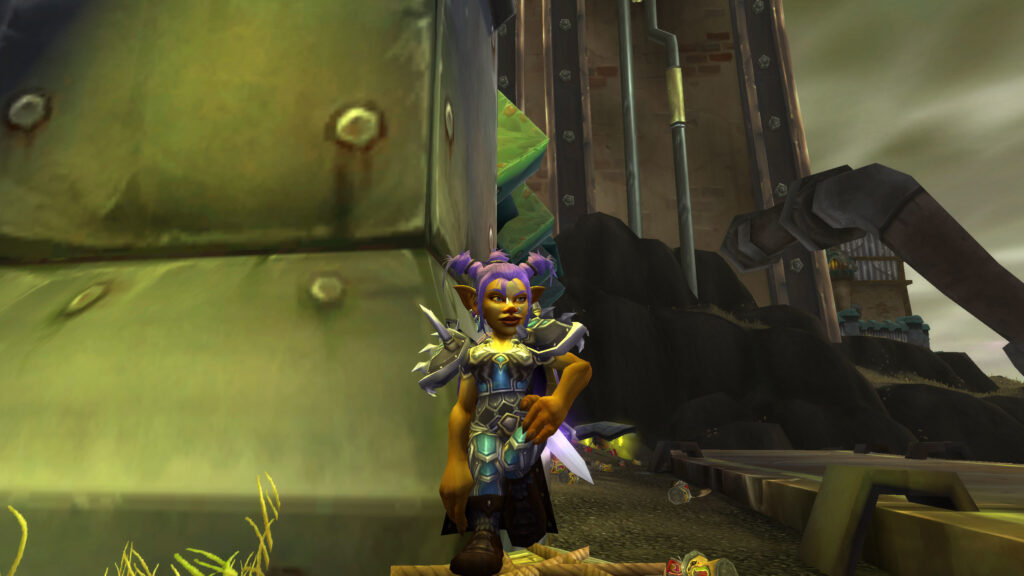
The Birth of a Fashion Phenomenon
Transmog entered WoW during Cataclysm, giving players the ability to transform their gear’s appearance without affecting stats. Players immediately embraced it—not just out of vanity, but as a form of storytelling. Armor became a reflection of personality. Iconic raid sets, leveling recolors, and obscure world drops suddenly carried new meaning. The feature tapped into something WoW players had wanted for years: the freedom to look how they felt their character should look, not how RNG dictated.
This marked a turning point in WoW’s culture. Fashion was no longer an afterthought—it became a defining pillar of the game.
Why Transmog Became a Core Gameplay Loop
The appeal of transmog lies in its endless goals. While raids and dungeons come and go each patch, transmog remains evergreen. Every expansion adds new armor, weapons, recolors, and hidden appearances, giving collectors infinite long-term pursuits. Players who may not raid at the cutting edge still find excitement in old raid farms, hidden treasures, and rare appearance drops.
In time, transmog farming became a dedicated gameplay style. Some players log in exclusively to hunt down rare pieces or complete sets, turning the pursuit of fashion into its own endgame.
| Activity | Why It Matters for Transmog | Player Appeal |
|---|---|---|
| Old Raids | Unique armor sets and iconic looks | Nostalgia, solo challenges, rare drops |
| World Farming | Hidden recolors and rare world drops | Treasure hunting, exploration |
| Reputation Vendors | Themed outfits tied to past factions | Roleplay and world identity |
| Seasonal Events | Limited-time cosmetics | Exclusivity and collection value |
Transmog as Personal and Class Identity
One reason transmog resonates so deeply is its connection to identity. Players often build looks that reflect their class fantasy—shadowy sets for Warlocks, radiant armor for Paladins, natural motifs for Druids. Transmog reinforces the story players tell themselves about their character, making their avatar feel more meaningful and personal.
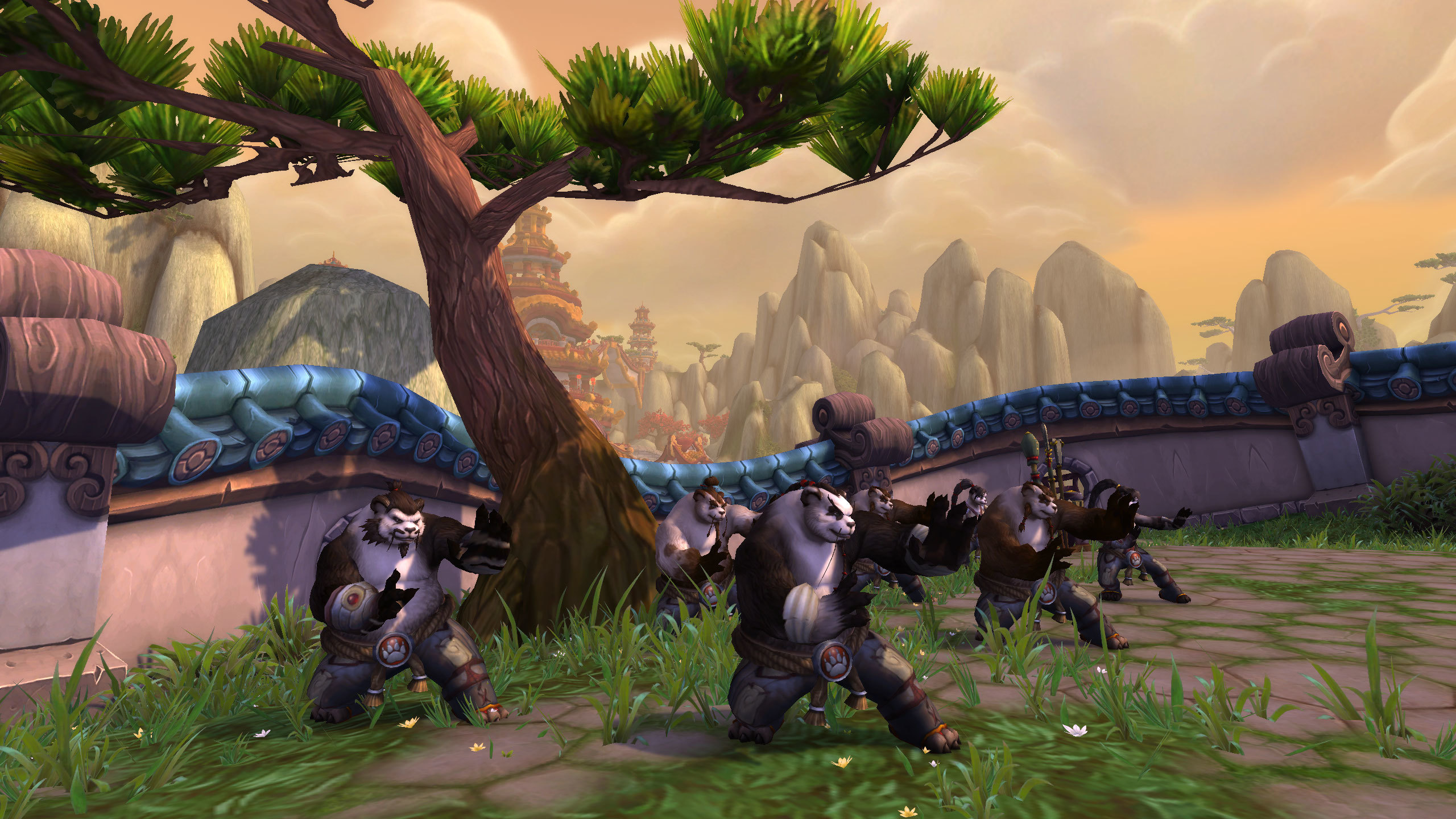
Some players stick to a single iconic look for years, while others reinvent themselves every patch. Both styles reflect how transmog lets players express who they believe their character is within Azeroth’s larger narrative.
Community, Social Presence, and Fashion Culture
Transmog didn’t just change visuals—it created new communities. Transmog contests, roleplay gatherings, class-themed fashion shows, and group screenshot events became widely popular. Players gather in Stormwind or Valdrakken to show off their newest outfits, compliment other players, or simply get inspired.
Entire guilds and Discord communities formed around fashion curation. Social media is filled with WoW outfit showcases, weekly themes, and creative challenges. Transmog even influenced WoW’s Trading Post, where curated cosmetics became a central monthly activity.
The Trading Post and the Evolution of Cosmetics
The introduction of the Trading Post elevated WoW’s fashion culture to new heights. Instead of waiting for rare random drops, players gained access to a curated monthly selection of outfits. This system was designed with transmog enthusiasts in mind, offering recolors of classic sets, new thematic outfits, and long-requested cosmetic items.
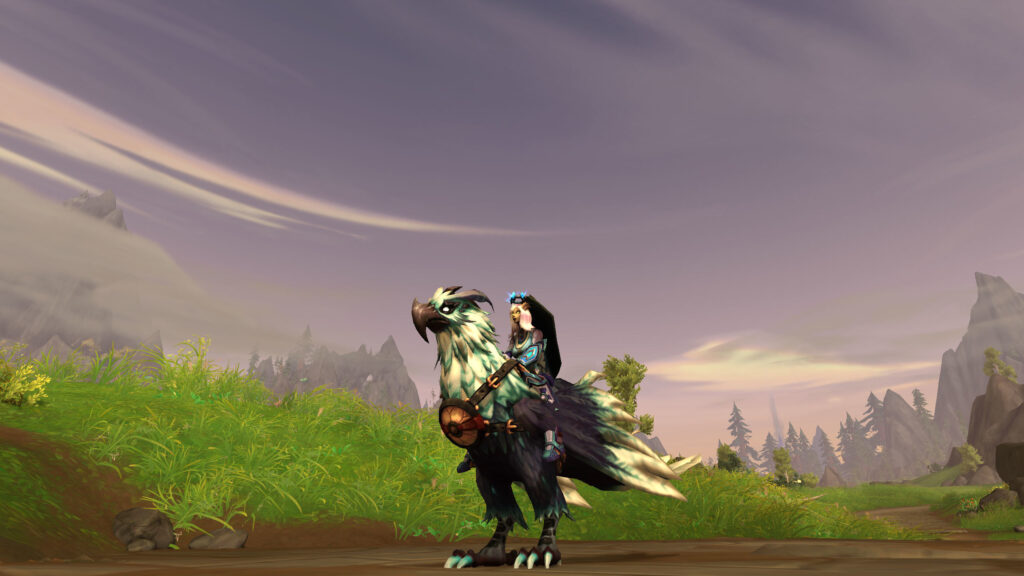
The Trading Post reinforced what players already knew: WoW fashion is here to stay, and Blizzard fully embraces cosmetic systems as core content pillars.
The Psychological Appeal of Transmog
Transmog taps into a powerful human desire: creative self-expression. Even players uninterested in competitive content often care deeply about how their character looks. Matching colors, balancing silhouettes, and chasing rare pieces create a feeling of ownership. It transforms characters from simple avatars into fully realized personas.
The joy of finding the perfect shoulder piece or finally completing a long-hunted set resonates emotionally in a way gear upgrades alone never could.
The Future of WoW as a Fashion-Driven MMO
WoW’s transmog culture shows no signs of slowing down. With each expansion adding new cosmetics, improved model quality, and evolving systems like appearances tabs and wardrobe curation, fashion continues to grow as one of the game’s most engaging activities. Future updates may expand dye systems, toggleable effects, or deeper customization—features long requested by the fashion community.
As long as players care about identity and expression, transmog will remain one of the strongest pillars of WoW’s long-term retention and community creativity.
Conclusion
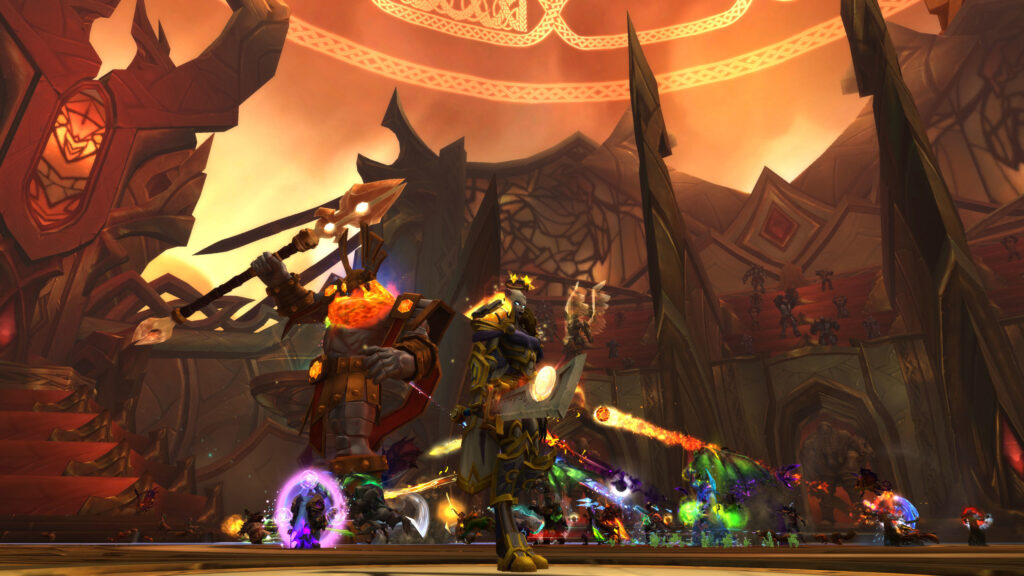
Transmog transformed WoW from a gear-driven MMO into one of the largest fashion games online. It gave players a new way to express themselves, turned old content into evergreen gameplay, and built entire communities dedicated to creativity and style. More than a cosmetic option, transmog has become a cultural cornerstone—shaping how players see their characters and how they connect with each other.
In the end, WoW’s fashion scene is proof that creativity can be just as powerful as combat, and that the real endgame is sometimes the outfit you choose to wear.





Leave a Reply